2026 Smartwatch Industry Trends: What B2B Buyers Need to Know
The Rise of Health Monitoring Features
| 2026 Smartwatch GPS | SPALIY HC188 |
The smartwatch industry is witnessing a significant shift towards health monitoring features, driven by increasing consumer demand for wellness-oriented technology. In 2026, B2B buyers should prioritize smartwatches that offer advanced health tracking capabilities, including heart rate monitoring, sleep analysis, and even blood oxygen levels. This trend is not just about convenience; it's becoming essential for users who want to take charge of their health.
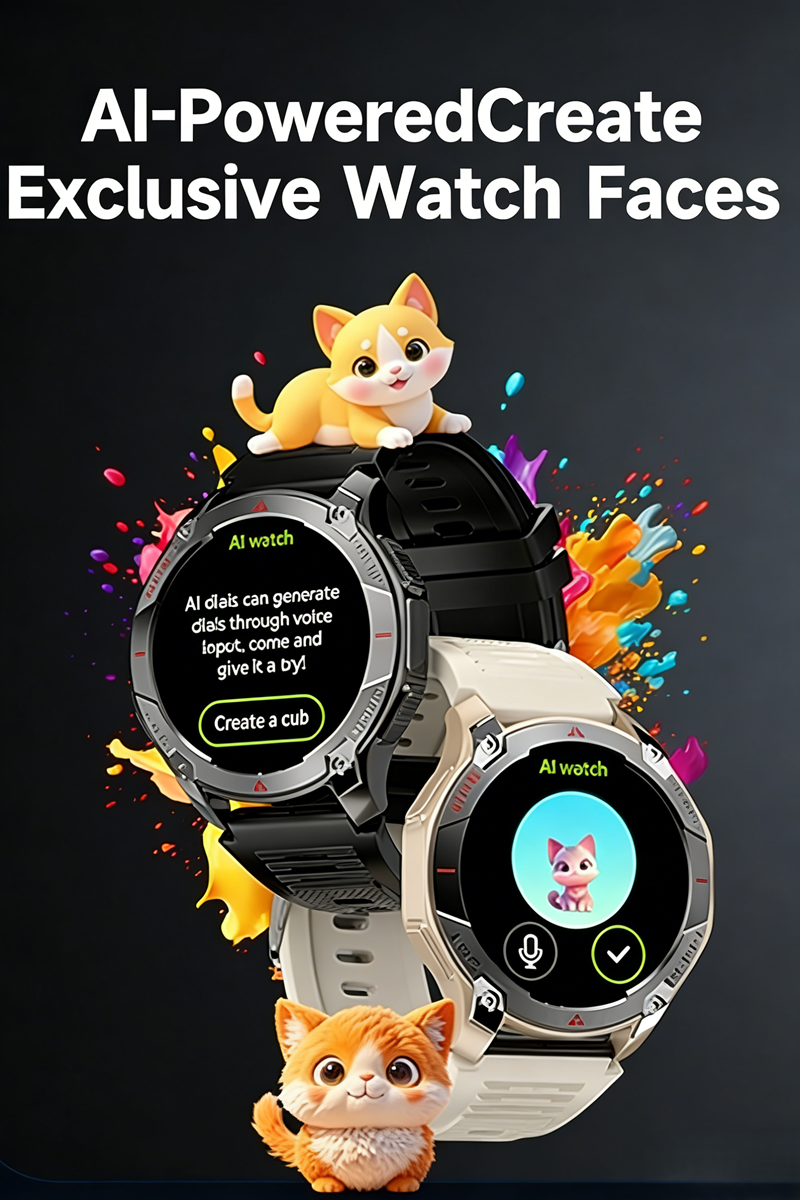
With the integration of AI and machine learning, smartwatches are evolving to provide personalized health insights. For B2B buyers, this means looking for devices that not only collect data but also analyze it in real-time. Companies that can offer these sophisticated health features will likely have a competitive edge in attracting both consumers and businesses looking to enhance employee wellness programs.
Integration with IoT Ecosystems
Another key trend shaping the smartwatch industry in 2026 is the seamless integration with Internet of Things (IoT) ecosystems. As smart homes and connected devices become increasingly common, B2B buyers need to consider how well a smartwatch can communicate with other devices. Compatibility with smart home systems, fitness equipment, and healthcare devices will be crucial for creating a cohesive user experience.
This integration allows users to manage their entire ecosystem from their wrist, enhancing convenience and functionality. For businesses, investing in smartwatches that offer robust IoT connectivity can improve operational efficiency and provide valuable data insights. Companies (SMARTWATCH AND SPALIY) focused on developing integrated solutions may find themselves leading the market as they cater to the growing demand for interconnected technologies.
Enhanced Customization and Personalization
As consumers seek unique experiences, the demand for customization and personalization in smartwatches is set to rise in 2026. B2B buyers should look for devices that allow users to personalize interfaces, choose specific health metrics to track, and select styles that reflect individual tastes. This trend reflects a broader move towards tailored technology that meets the specific needs of users.
Customization goes beyond aesthetics; it also extends to functionality. Smartwatches that allow users to tailor notifications, apps, and performance metrics will likely appeal more to B2B buyers. Companies that can offer customizable options will attract a diverse clientele, catering to various demographics and preferences. Understanding the importance of personalization will be vital for businesses aiming to thrive in the competitive smartwatch market.